
Prediabetes Symptoms: Early Signs & Next Steps

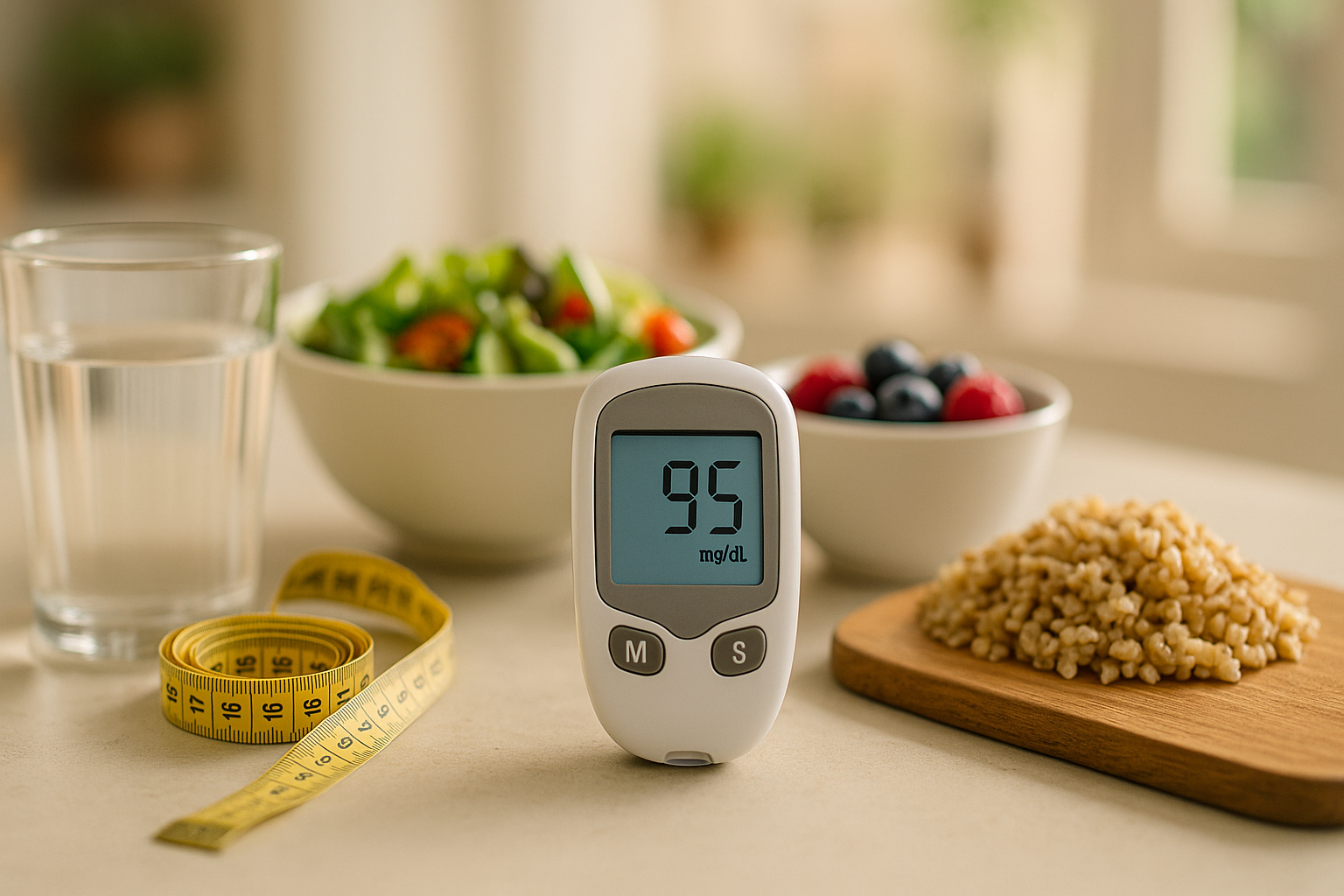
Prediabetes Symptoms can be subtle, but catching them early makes a big difference. Think persistent thirst, frequent urination, afternoon crashes, darkened skin patches, or a growing waistline. This guide explains what to watch for, how to test, and practical next steps to stabilise blood sugar and protect long-term health today.
What Is Prediabetes?
Definition (in brief): Prediabetes is a metabolic “yellow light” where blood sugar sits above normal, yet below Type 2 diabetes thresholds. The underlying driver is insulin resistance—cells respond poorly to insulin, so glucose remains in the bloodstream instead of fuelling muscles and organs.
Why it matters: Even before diabetes, elevated glucose can stress the heart, kidneys, eyes and nerves. The upside: with timely action, prediabetes is often reversible.
How doctors identify it (core tests):
- A1C – estimates a ~3-month average.
- Fasting glucose – after 8–10 hours without food.
- Oral glucose tolerance test (OGTT) – response to a measured sugar drink.
- Post-meal checks – 1–2 hours after eating.
Common contributors:
- Family history and genetics.
- Abdominal weight gain or low muscle mass.
- Inactivity or prolonged sitting.
- Poor sleep and chronic stress.
- Certain medicines and hormonal shifts (e.g., menopause, PCOS).
What to do next: Confirm patterns with repeat testing; then implement realistic changes—low-GI meal swaps, brief post-meal walks, two weekly strength sessions, and sleep-stress routines. Where appropriate, consider evidence-informed nutritional support alongside lifestyle changes and medical guidance. Early action often normalises results and reduces long-term cardiometabolic risk.
Also read: Top 5 Benefits of Natural Supplements
Common Prediabetes Symptoms
Important context: Some people have no obvious symptoms. Testing confirms risk. Still, several early clues are worth noting:
A. Classic “high sugar” flags
- Polydipsia & polyuria: Persistent thirst and more frequent urination—especially at night.
- Fatigue & afternoon crashes: Energy dips after meals; difficulty concentrating.
- Blurred vision: Temporary focusing issues when glucose fluctuates.
- Slow-healing cuts or frequent minor infections.
B. Subtle metabolic signs
- Central weight gain or a rising waist-to-height ratio (>0.5 is a caution flag).
- Acanthosis nigricans: Dark, velvety skin patches (neck, armpits).
- Skin tags—often around the neck or underarms.
- Morning headaches/“brain fog”; post-meal sleepiness.
- Elevated blood pressure or abnormal lipids discovered at routine checks.
C. Patterns that differ by sex
- Women: Irregular periods, acne, or excess hair growth linked to PCOS; stubborn midsection weight.
- Men: Low morning energy, reduced exercise performance, or low libido.
D. Quick self-check (not a diagnosis)
- Family history of Type 2 diabetes?
- Waist circumference trending up?
- Sitting >7–8 hours/day?
- Poor sleep or high stress most days?
- Past gestational diabetes or baby ≥4 kg at birth?
Next step: If several items resonate, book fasting/A1C testing. Early confirmation enables small, consistent changes that meaningfully improve insulin sensitivity.
Learn: When Do Blood Sugar Supplements Work Best?
How to Test for Prediabetes
Key idea: Diagnosis relies on blood glucose measurements over time—not a single bad day. In South Africa, results are usually reported in mmol/L (SI units).
Core medical tests
- A1C (HbA1c): Reflects ~3-month average glucose. Prediabetes: 5.7–6.4%.
- Fasting Plasma Glucose (FPG): After 8–10 hours with only water. Prediabetes: 5.6–6.9 mmol/L (100–125 mg/dL).
- Oral Glucose Tolerance Test (OGTT): Fasting sample → drink 75 g glucose → repeat at 2 hours. Prediabetes (impaired tolerance): 7.8–11.0 mmol/L (140–199 mg/dL).
- Post-meal checks (1–2 h): Useful context when fasting values are borderline.
How to prepare
- Fast correctly (water only), avoid strenuous exercise and alcohol the day before, and reschedule if acutely ill.
- Tell your clinician about medications (e.g., steroids) that can skew results.
Home monitoring (supportive, not diagnostic)
- A basic glucometer can track fasting and 1–2-hour post-meal readings for patterns.
- Consider short-term use of a CGM if advised, to spot spikes from specific meals.
Confirm and follow up
- Abnormal results are usually repeated on a different day to confirm.
- If fasting values are repeatedly high, or you have red-flag symptoms (excessive thirst/urination, unexplained weight loss, vision changes), see a doctor promptly. Early confirmation unlocks tailored diet, activity, sleep, stress—and, where appropriate, evidence-informed nutritional support.
Similar read: What Level of Blood Sugar Is Dangerous?
Early Lifestyle Wins That Move the Needle
1) Food: low-GI, SA-realistic swaps
- Plate method: ½ non-starchy veg, ¼ lean protein, ¼ smart carbs.
- Swap list: pap → maize + beans (half-portion), white rice → parboiled/brown, vetkoek/buns → whole-grain wraps, sugary drinks → water/rooibos.
- Protein + fibre at each meal: eggs, chicken, fish, legumes; add salads/veg.
- Snack blueprint: apple + peanut butter; biltong + cherry tomatoes; yoghurt + chia.
- Portion cue: aim for 80% full, not stuffed.
2) Movement: short, frequent bouts
- 10-minute walk after meals (blunts spikes).
- Weekly target: 150 minutes moderate activity + 2× short strength sessions (push/pull/squat/hinge).
- Desk days: stand or stroll 3–5 minutes every 30–60 minutes.
3) Sleep & stress: glucose’s hidden levers
- Wind-down routine (30–60 min): dim lights, screens off, consistent bedtime.
- Stress micro-break: 4–6 slow breaths; 5-minute stretch or outside light.
4) Weight & waist: small losses, big gains
- A 5–10% weight reduction markedly improves insulin sensitivity.
- Track waist, steps, and post-meal energy weekly (not just the scale).
5) Smart additions (optional, with guidance)
- Fibre (psyllium/glucomannan) before higher-carb meals; magnesium if intake is low.
- Limit alcohol (≤1 drink/day; some days none).
- Re-test A1C/fasting in 12 weeks to measure progress.
Also read: GlucoPro: A Natural Approach to Blood Sugar Management in South Africa
Natural Support: Evidence-Informed Options
Supplements can complement—not replace—food, movement, sleep and medical care. Focus on options with clear dosing and safety notes:
- Fibre: Psyllium or glucomannan before higher-carb meals may blunt post-meal spikes and improve satiety.
- Magnesium: Supports insulin signalling; many adults are short on intake. Consider glycinate or citrate forms.
- Omega-3s: For triglycerides and cardiometabolic health when fish intake is low.
- Berberine: Can reduce fasting and post-meal glucose; watch for interactions with antibiotics, anticoagulants and cyclosporine.
- Cinnamon & gymnema: Modest support for glycaemic control when paired with diet.
- Alpha-lipoic acid: Antioxidant may aid insulin sensitivity and nerve health.
- Probiotics & prebiotic fibres: Support gut diversity linked to metabolism.
Usage guidelines: introduce one product at a time, follow label directions, reassess every 12 weeks with A1C/fasting results, and pause before surgery.
Safety: consult a clinician if pregnant, breastfeeding, or using diabetes, blood-pressure, thyroid, or lipid-lowering medicines.
Take a look at: Diaformula: A Natural Ally for Blood Sugar Management in South Africa
Conclusion: Prediabetes Symptoms
Prediabetes Symptoms is a reversible warning sign. Recognise subtle symptoms, confirm with A1C or fasting tests, then act: lower-GI meals, post-meal walks, strength training, sleep and stress routines. Consider evidence-informed natural support with professional guidance. Small, consistent changes over 12 weeks can normalise readings and protect long-term metabolic and heart health.
Ready to steady your blood sugar and feel energised? Explore Exclusive Essentials’ evidence-informed product and simple guides to start today. Need personalised help choosing products or timing? Contact us via email or phone, and our team will recommend a safe, practical plan for you now.