
What Level of Blood Sugar Is Dangerous?

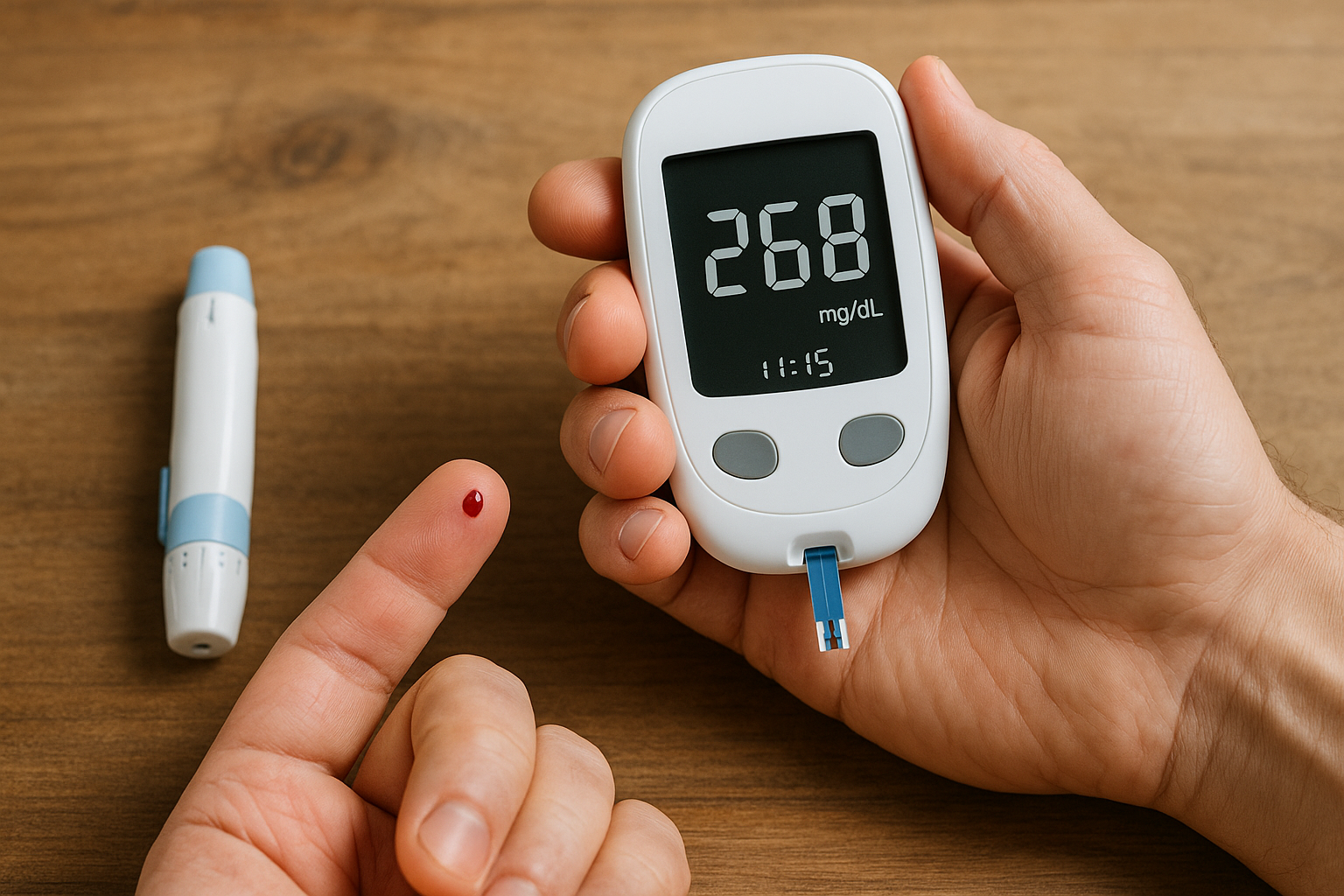
Blood sugar plays a crucial role in your overall health, but when levels get too high or too low, serious risks arise. Understanding what level of blood sugar is dangerous can help you take control, avoid complications, and maintain long-term wellness, especially if you’re managing diabetes or prediabetes.
Understanding Blood Sugar Levels
Blood sugar, also known as blood glucose, refers to the amount of glucose circulating in your bloodstream. Glucose is your body’s primary source of energy and comes mainly from the food you eat, especially carbohydrates. After eating, your body breaks down carbs into glucose, which enters the bloodstream and is transported to cells with the help of insulin.
Maintaining balanced blood sugar levels is essential for stable energy, brain function, and long-term health. If levels fluctuate too much, either spiking too high or dropping too low, it can affect your mood, energy, and even organ function.
There are three primary ways blood sugar is measured:
- Fasting blood sugar (after not eating for at least 8 hours)
- Postprandial blood sugar (after meals)
- HbA1c (average glucose levels over 2–3 months)
Knowing your numbers gives insight into whether your body is processing glucose efficiently. Persistently abnormal readings can indicate prediabetes or diabetes and may require medical attention, lifestyle changes, or natural support like dietary supplements.
Normal vs. Dangerous Blood Sugar Ranges
Knowing where your blood sugar stands helps you manage your health more effectively. Glucose levels are measured in mg/dL, and ideal readings vary depending on the time of measurement. Here’s a quick breakdown:
1. Fasting Blood Sugar (8+ hours without food):
- Normal: 70–99 mg/dL
- At Risk (Pre-Diabetic): 100–125 mg/dL
- Dangerous: ≥126 mg/dL
2. Post-Meal Blood Sugar (1–2 hours after eating):
- Normal: Less than 140 mg/dL
- At Risk: 140–199 mg/dL
- Dangerous: 200 mg/dL or higher
3. HbA1c (3-Month Average):
- Normal: Below 5.7%
- At Risk: 5.7%–6.4%
- Dangerous: 6.5% and above
Warning Zones:
- Above 240 mg/dL may lead to diabetic ketoacidosis.
- Below 70 mg/dL is considered hypoglycemia and can result in fainting or seizures.
Keeping your levels in range supports energy, mental clarity, and long-term health.
Also read: Diaformula: A Natural Ally for Blood Sugar Management in South Africa
How to Monitor and Manage Your Blood Sugar
Managing blood sugar begins with consistent monitoring and healthy lifestyle habits. Here’s how you can stay in control:
1. Use a Glucometer or CGM:
- A glucometer lets you check blood sugar manually with a finger prick.
- A continuous glucose monitor (CGM) provides real-time data throughout the day.
2. Track Key Times:
- Fasting (morning before eating)
- 1–2 hours after meals
- Before bed
Monitoring these points gives a full picture of your glucose trends.
3. Maintain a Balanced Diet:
- Focus on low-GI carbs, lean protein, fiber, and healthy fats.
- Avoid sugary snacks and processed foods that cause spikes.
4. Exercise Regularly:
- Aim for at least 30 minutes of moderate activity 5 days a week to increase insulin sensitivity.
5. Reduce Stress and Sleep Well:
- Chronic stress and poor sleep can raise blood sugar. Practice relaxation and aim for 7–8 hours of rest.
6. Consider Natural Supplements:
Ways to Support Healthy Blood Sugar Levels
Maintaining healthy blood sugar levels isn’t just about managing symptoms, it’s about creating habits that support long-term wellness. Here are practical ways to keep your glucose in check:
1. Eat Smart:
- Focus on whole foods: leafy greens, legumes, nuts, lean protein, and healthy fats.
- Choose low glycemic index (GI) carbs that digest slowly and help avoid spikes.
2. Stay Active:
- Physical activity improves insulin sensitivity.
- Try walking after meals, resistance training, or yoga, consistency is key.
3. Manage Stress:
- High stress releases cortisol, which can raise blood sugar.
- Use techniques like deep breathing, meditation, or journaling to stay grounded.
4. Sleep Well:
- Aim for 7–8 hours of quality sleep to support hormonal balance and glucose control.
5. Supplement Wisely:
- Herbal supplements like Cardizoom and GlucoPro may help regulate blood sugar naturally.
- Look for ingredients like berberine, cinnamon, and chromium, known to support glucose metabolism.
Small changes can lead to lasting improvements in your overall health.
When to Seek Emergency Medical Help
While occasional fluctuations in blood sugar are common, certain levels can become life-threatening and require immediate attention. Here’s when to act fast:
1. Extremely High Blood Sugar (Hyperglycemia):
- Danger Zone: Blood sugar readings above 300 mg/dL
- Watch for symptoms like:
- Rapid heartbeat
- Shortness of breath
- Nausea or vomiting
- Fruity-smelling breath
These may indicate diabetic ketoacidosis (DKA), a medical emergency.
2. Extremely Low Blood Sugar (Hypoglycemia):
- Danger Zone: Blood sugar levels below 54 mg/dL
- Severe symptoms include:
- Confusion
- Blurred vision
- Seizures
- Loss of consciousness
If left untreated, hypoglycemia can result in coma or death.
3. Call Emergency Services If:
- The person becomes unconscious
- Is unable to swallow sugar or juice
- Experiences persistent vomiting with high blood sugar
Always carry a fast-acting sugar source and inform loved ones about your condition. Prompt medical care can prevent serious complications and save lives.
Also read: GlucoPro: A Natural Approach to Blood Sugar Management in South Africa
Conclusion: What Level of Blood Sugar Is Dangerous?
Understanding what level of blood sugar is dangerous empowers you to take control of your health. By monitoring your levels, adopting healthy habits, and acting quickly in emergencies, you can reduce risk and support long-term wellness. Stay informed, stay consistent, and take proactive steps toward a healthier, more balanced life.Take control of your blood sugar health with natural, science-backed support from Exclusive Essentials. Explore our range of supplements designed to help you maintain balanced glucose levels and improve overall well-being. For personalised guidance or product recommendations, feel free to contact us, we’re here to support your journey to better health.