
The Link Between Stress and High Blood Pressure in SA

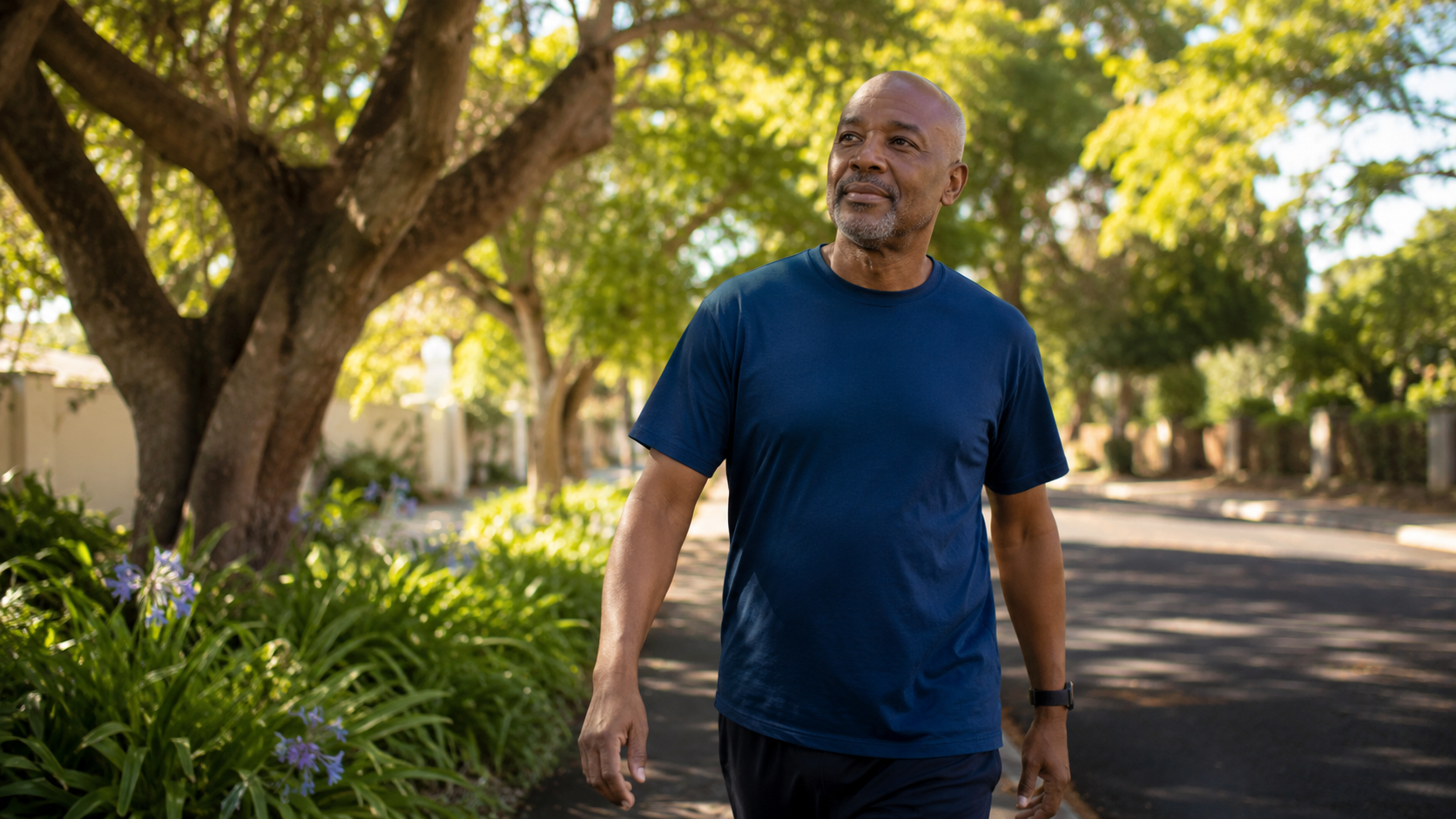
Thabo, a 47-year-old operations manager from Polokwane, had always worn pressure like a badge of honour. Long shifts, a heavy commute, and a household that leaned on his income were simply part of the job. Then, at a routine clinic visit, the nurse frowned at the monitor and asked him to sit quietly for a second reading. His numbers were up — not once, but twice. Thabo had never linked the knot in his shoulders or his restless nights to his heart. Yet for many South Africans, the road to high blood pressure runs straight through everyday stress, often without a single warning sign.
High Blood Pressure Is More Common Than You Think
High blood pressure, or hypertension, is one of South Africa’s most widespread health concerns — and one of the most overlooked. A large screening study published on the National Library of Medicine found that close to 30% of South African adults tested had high blood pressure, yet only about half were even aware of it. The same research notes that cardiovascular disease accounts for roughly one in every six deaths in the country.
What makes high blood pressure so tricky is its silence. It rarely announces itself with obvious symptoms, which is why it is often called the “silent” condition. Many people only discover their readings are high during an unrelated check-up — much like Thabo. That is exactly why understanding the everyday drivers of high blood pressure, including stress, matters so much.
How Stress Quietly Pushes Blood Pressure Up
When you feel stressed, your body releases hormones like cortisol and adrenaline. These trigger a “fight or flight” response: your heart beats faster, and your blood vessels narrow, temporarily raising your blood pressure. In short bursts, this is completely normal and harmless. The problem begins when stress becomes constant and keeps blood pressure high for long stretches.
Research shared by the US National Heart, Lung, and Blood Institute found that adults with higher levels of stress hormones were more likely to develop high blood pressure over the following years — and that each doubling of cortisol was linked to a 90% higher risk of a cardiovascular event. According to the Cleveland Clinic, chronic stress also nudges us toward habits that worsen high blood pressure, such as poor sleep, comfort eating, and skipping exercise.
South Africa Is Under Serious Strain
If it feels like South Africans are more stressed than ever, the data agrees. The 2026 DebtBusters Money-Stress Tracker, reported by Business Day, found that 72% of respondents were experiencing money stress, and 75% of them said it was affecting their health. Rising living costs, debt, and job insecurity are keeping many people in a near-permanent state of tension.
This constant pressure has real consequences for the heart. When stress never lets up, the body rarely gets the chance to reset, and high blood pressure can persist for longer than it should. Recognising stress as a genuine health issue — not just a passing mood — is an important first step toward protecting your heart.
Simple Daily Habits to Support Healthy Blood Pressure
You cannot remove every stressor from life in South Africa, but you can build habits that help your body cope with the pressures that push blood pressure up. Small, consistent changes often make the biggest difference:
- Move most days. A brisk 30-minute walk helps release tension and supports healthy circulation.
- Watch the salt. Cutting back on processed foods and added salt eases the load on your heart.
- Protect your sleep. Poor rest keeps stress hormones elevated; aim for seven to eight hours a night.
- Breathe and unwind. Deep breathing, prayer, time in nature or a hobby can calm the nervous system.
- Go easy on alcohol and tobacco. Both are linked to higher blood pressure over time.
- Check your numbers. Regular blood pressure readings help you catch changes early.
Alongside a balanced lifestyle, some South Africans choose to add natural support to their routine. Exclusive Essentials offers a range of Schedule D complementary supplements, and its heart-health range — including Cardizoom — is formulated with natural ingredients to help support cardiovascular wellness as part of a healthy lifestyle, never as a replacement for medical care.
Don’t Wait for a Warning Sign
Because high blood pressure is so often silent, the most valuable habit of all is regular screening. A quick reading at a pharmacy or clinic takes minutes and gives you a clear starting point. If your readings are high, or if you are living with ongoing stress, speak to a doctor or pharmacist — especially if you are already on chronic medication or are pregnant. They can help you build a plan that fits your life, combining medical guidance with everyday changes that lighten the load on your heart and help keep high blood pressure in check.
Conclusion
High blood pressure and stress are deeply connected, and in a country under as much financial and social strain as South Africa, that link deserves real attention. The good news is that the fundamentals — movement, better sleep, mindful eating, less salt, and regular check-ups are within reach for most of us. Managing stress is not about escaping life’s pressures entirely, but about giving your body regular chances to recover. Paired with professional medical care, these small daily choices are a powerful way to look after your heart for the long run.
Ready to take a calmer, more heart-friendly approach to your wellness? Exclusive Essentials makes it simple to add natural, quality supplements to a balanced lifestyle, with reliable delivery right across South Africa. Whether you are supporting your heart health or simply investing in your everyday wellbeing, their team is here to help you choose what suits you best. Contact Exclusive Essentials today to learn more, ask a question, or find the right product for your routine — and take one small step toward a healthier, more balanced you.
This product is not intended to substitute professional medical advice, diagnosis or treatment. Always consult your doctor or a qualified healthcare professional about your health.