
Signs of Pre-Diabetes South Africans Often Ignore

Signs of Pre-Diabetes South Africans Often Ignore
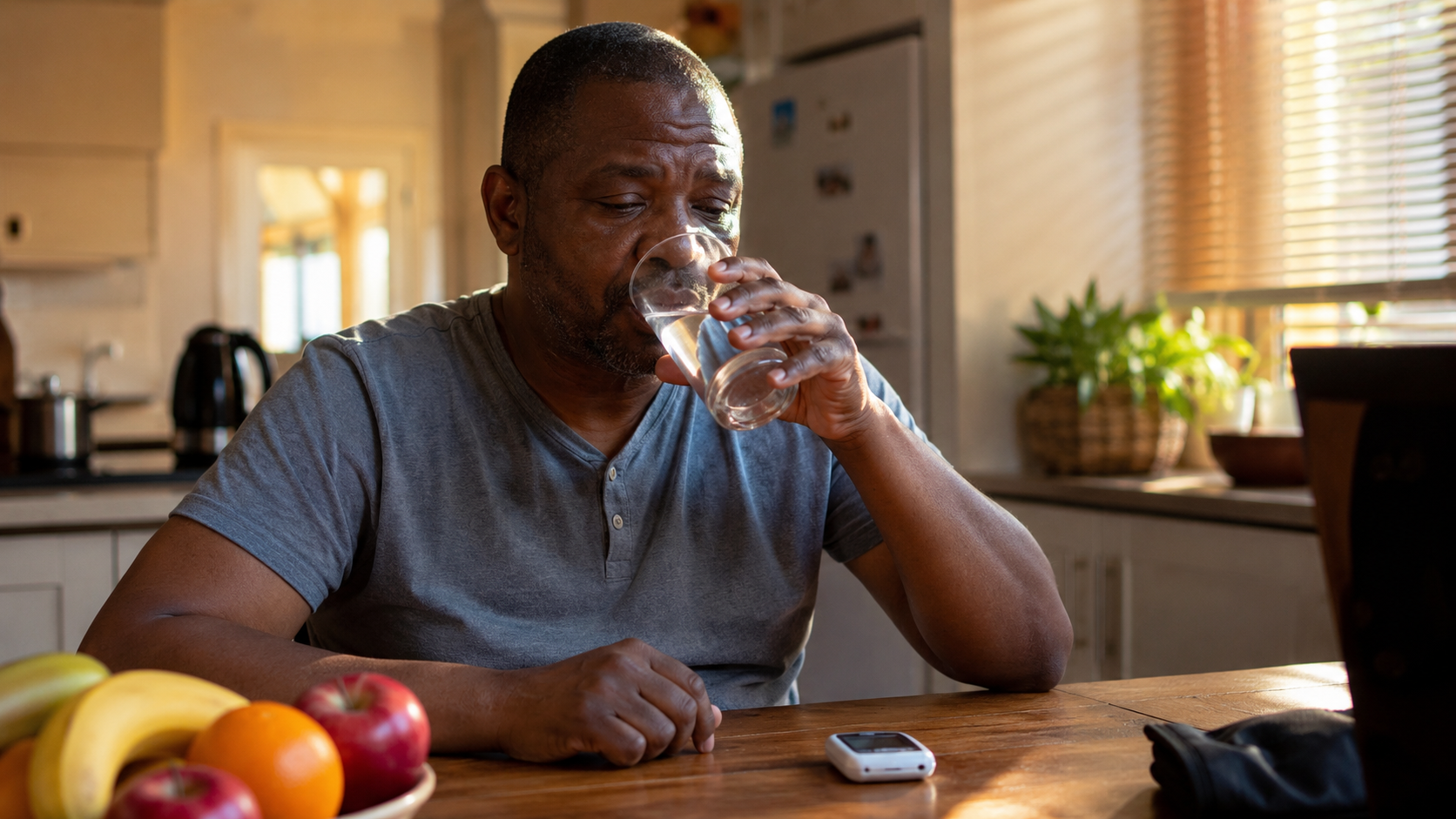
Thabo always felt tired after meals, but put it down to a long day at work. He noticed his vision occasionally blurred, and a nagging thirst followed him into most evenings. For years, these were just “getting older” symptoms. It was only during a routine check-up that his doctor flagged elevated blood sugar and delivered a quiet warning: pre-diabetes. Like millions of South Africans, Thabo had been living with the early signs of pre-diabetes without ever knowing it — and nearly missed the window to turn things around.
If Thabo’s story sounds familiar, you are not alone.
The Scale of the Problem in South Africa
Pre-diabetes is far more common in South Africa than most people realise. According to research published in the Journal of Epidemiology and Health, the observed prevalence of pre-diabetes in the South African population stands at approximately 67% — meaning more than two in three adults may have blood sugar levels in the danger zone without a formal diabetes diagnosis.
What makes this especially alarming is that pre-diabetes typically has no dramatic symptoms. It is a condition that develops quietly, over years, and it often only shows its hand once it has progressed into type 2 diabetes. The Centre for Diabetes and Endocrinology (CDE) estimates that around five million South Africans have pre-diabetes or glucose intolerance — many of whom remain undiagnosed.
Understanding the early warning signs of pre-diabetes could be the most important health step you take this year.
Common Signs of Pre-Diabetes That Are Easy to Miss
Because the signs of pre-diabetes are often subtle, they are frequently dismissed as fatigue, stress, or simply ageing. Here are the warning signals to watch for:
- Unusual tiredness after eating — If meals leave you feeling heavy and exhausted rather than energised, your body may be struggling to process glucose effectively.
- Increased thirst and frequent urination — Your kidneys work harder when blood sugar is elevated, pulling fluid from your body and triggering a persistent thirst cycle.
- Blurred vision — Elevated blood sugar temporarily affects the shape of the eye’s lens, causing vision to appear fuzzy or unfocused.
- Slow-healing cuts or bruises — High glucose levels impair circulation and the immune response, meaning minor wounds take longer to close.
- Darkened skin patches (acanthosis nigricans) — Velvety, dark patches on the neck, armpits, or groin can be a visible indicator of insulin resistance, one of the core markers of pre-diabetes.
- Tingling or numbness in hands and feet — Early nerve sensitivity caused by persistently high blood sugar can present as pins and needles, particularly at night.
The tricky part? Many people dismiss these as minor inconveniences rather than recognising them as signs of pre-diabetes worth investigating with their doctor.
Who Is Most at Risk?
Knowing the risk factors for pre-diabetes is just as important as recognising its symptoms. South Africans most at risk include people who:
- Are you overweight or obese
- Have a family history of type 2 diabetes
- Live a sedentary lifestyle with limited physical activity
- Have high blood pressure or high cholesterol
- Are over the age of 45
- Have a history of gestational diabetes
The correlation between lifestyle factors and pre-diabetes is strong in South Africa, where the shift towards processed, carbohydrate-rich diets and increasingly sedentary urban living has accelerated blood sugar problems across all age groups.
Why Early Detection of Pre-Diabetes Matters
Pre-diabetes is not a life sentence — it is a warning and an opportunity. Unlike full type 2 diabetes, pre-diabetes can be reversed or significantly delayed with the right lifestyle changes. Research consistently shows that reducing body weight by even 5–7%, increasing physical activity, and improving dietary habits can cut the risk of progressing to type 2 diabetes by more than 50%.
However, catching the signs of pre-diabetes early is what makes intervention possible. If left unaddressed, pre-diabetes progresses to type 2 diabetes, which is associated with serious complications including heart disease, kidney damage, nerve damage, and vision loss. According to Stats SA, diabetes is already the number one killer of women in South Africa — a statistic that underscores the urgency of early awareness.
Supporting Your Blood Sugar Naturally
Alongside lifestyle changes, many South Africans are turning to natural health supplements to support healthy blood sugar levels as part of a broader wellness strategy. Exclusive Essentials offers a range of Schedule D complementary supplements formulated specifically for blood sugar and cardiovascular support. Products in their Blood Sugar & Heart Health range are designed to complement a healthy lifestyle and support your body’s natural glucose management processes.
It is important to note that supplements are not a replacement for medical advice or treatment — but they can play a valuable supporting role when combined with diet, exercise, and regular monitoring.
Conclusion
The signs of pre-diabetes are easy to overlook precisely because they masquerade as everyday tiredness, thirst, or skin changes. But in a country where two in three adults may be living with elevated blood sugar, ignoring these signals is a risk too many South Africans are unknowingly taking. By staying informed, getting tested regularly, and supporting your body with the right nutrition and lifestyle habits, you can protect yourself before pre-diabetes progresses to something more serious. Don’t wait for a crisis to take your blood sugar health seriously — the time to act is now.
Are you worried you may be showing signs of pre-diabetes and not sure where to start? Exclusive Essentials is here to support your wellness journey with trusted, premium-quality supplements delivered straight to your door across South Africa. Explore our full health supplement shop and find the right products to complement your health goals. Have questions? Contact us today — our team is ready to help you take the first step toward better health.